Thinking of starting a petrol station in Kenya?
A petrol station can be a profitable investment, but it is also a highly regulated business. Before buying land, starting construction or purchasing equipment, investors need to understand the applicable petroleum, environmental, planning, safety and licensing requirements.
This guide explains the key steps involved in starting a petrol station in Kenya and highlights some of the common mistakes investors should avoid.
Important: Petroleum requirements can change. Always confirm the latest requirements with the relevant authorities before making a major investment.
What Do You Need to Start a Petrol Station in Kenya?
Starting a petrol station involves more than securing land and installing fuel pumps.
The major areas to consider include:
- Suitable land and site due diligence
- Business registration
- Feasibility assessment
- Technical and architectural designs
- Planning and development approvals
- Environmental compliance
- Petroleum construction authorization
- Construction and installation
- Inspection and commissioning
- Petroleum retail licensing
- Operational and safety compliance
The exact requirements depend on the location, design and nature of the proposed facility.
1. Find a Suitable Site
Choosing the right site is one of the most important decisions you will make.
A site may look commercially attractive but still present regulatory or technical challenges.
Before committing your money, consider:
- Road access
- Traffic volumes
- Competition
- Land-use requirements
- Nearby developments
- Drainage and flood risks
- Environmental considerations
- Safety considerations
- Future road expansion
- Availability of utilities
Do not buy land before conducting due diligence
This is one of the biggest mistakes new investors make.
A piece of land may be legally owned but still be unsuitable for a petrol station because of planning, access, environmental or safety considerations.
A proper site assessment can help identify potential problems before you commit significant capital.
2. Register Your Business
You will need an appropriate business structure for the proposed petroleum venture.
Depending on your circumstances, this may involve registering a company or business and ensuring that your statutory records are in order.
Your business information should be consistent across your:
- Company documents
- Tax records
- Land documents
- Licence applications
- Project documentation
The specific documents required will depend on the applicable licensing process.
3. Prepare the Technical Design
A petrol station requires professional technical planning.
The project may involve:
- Architectural drawings
- Civil and structural designs
- Fuel storage tank layouts
- Piping systems
- Fuel dispensers
- Electrical installations
- Fire protection systems
- Drainage systems
- Traffic circulation
- Emergency arrangements
The design should take into account the applicable petroleum standards, safety requirements and other regulatory considerations.
Why good design matters
Poor or incomplete designs can result in:
- Approval delays
- Redesign costs
- Construction problems
- Inspection failures
- Safety risks
It is better to identify design problems before construction starts than after significant money has already been spent.
4. Address Environmental and Planning Requirements
Petroleum facilities have environmental and public safety considerations that need to be addressed during project planning.
Depending on the project, this may include environmental assessment and approval, planning and development approvals and other relevant authorizations.
Important considerations can include:
- Spill prevention
- Soil and groundwater protection
- Waste management
- Stormwater drainage
- Fire safety
- Community health and safety
- Emergency response
The applicable requirements should be established before construction begins.
5. Obtain the Necessary Construction Authorization
A proposed petrol station should not simply move from design to construction without addressing the applicable petroleum construction requirements.
The construction application may require supporting documentation such as:
- Land ownership or lease documents
- Business registration documents
- Technical drawings
- Site plans
- Environmental documentation
- Planning approvals
- Road access documentation
- Other supporting technical information
The exact checklist should be confirmed against the latest applicable requirements.
Construction approval is not the same as an operating licence
This distinction is important.
Authorization relating to the construction of a petroleum facility and authorization to operate the completed facility are separate regulatory considerations.
Investors should understand the requirements for both stages.
6. Construct the Petrol Station
Once the required approvals have been obtained, construction can proceed according to the approved designs and applicable technical requirements.
A typical petrol station may include:
Fuel infrastructure
- Storage tanks
- Product pipelines
- Fuel dispensers
- Tank monitoring systems
- Emergency shutdown systems
Civil infrastructure
- Forecourt
- Canopy
- Drainage
- Access lanes
- Service buildings
Safety infrastructure
- Firefighting equipment
- Emergency response systems
- Safety signs
- Emergency access
- Appropriate electrical installations
Construction should be properly supervised to ensure that the completed facility corresponds with the approved plans.
7. Prepare for Inspection
Before opening to customers, the completed facility must satisfy the applicable inspection and licensing requirements.
Areas that may require attention include:
- Storage tanks
- Piping
- Fuel dispensers
- Fire protection
- Electrical systems
- Emergency systems
- Drainage
- Site access
- Environmental safeguards
One major cause of delays is discovering compliance problems only when the facility is already ready for inspection.
A pre-inspection compliance review can help
Before the formal inspection, consider reviewing:
- Approved drawings
- Actual construction
- Safety equipment
- Technical documentation
- Environmental requirements
- Supporting licence documents
This can help identify gaps that need to be addressed.
8. Apply for the Petroleum Retail Licence
Once the facility has satisfied the applicable construction and compliance requirements, the investor can proceed with the relevant petroleum retail licensing process.
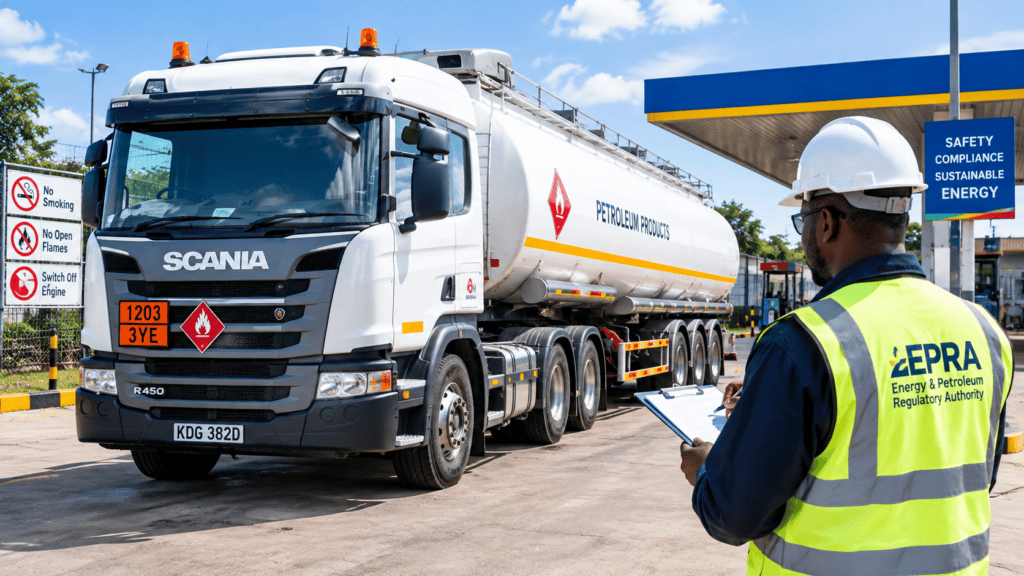
The Energy and Petroleum Regulatory Authority (EPRA) publishes petroleum licence and permit application guidance.
Applicants should use the latest official requirements when preparing their application.
The application should be complete and supported by the required documentation.
Missing or inconsistent information can result in delays.
How Much Does It Cost to Start a Petrol Station in Kenya?
There is no single fixed cost for starting a petrol station.
The total investment can vary significantly depending on the location, land, size and design of the facility.
Major cost areas include:
- Land purchase or lease
- Site preparation
- Professional and engineering services
- Environmental processes
- Planning and approvals
- Civil works
- Fuel storage tanks
- Fuel dispensers
- Piping
- Electrical systems
- Fire protection
- Canopy
- Branding and signage
- Initial fuel stock
- Working capital
Don’t focus only on construction costs
A new investor should also budget for working capital.
You may need funds for:
- Fuel inventory
- Staff
- Utilities
- Insurance
- Maintenance
- Security
- Other operating expenses
A detailed feasibility study and project budget should therefore be prepared before committing major funds.
Common Mistakes When Starting a Petrol Station
1. Buying land without due diligence
A good-looking location does not automatically mean the site is suitable for a petrol station.
2. Starting construction too early
Beginning construction without understanding the applicable approvals can create unnecessary financial and regulatory risks.
3. Using incomplete designs
Petroleum facilities require coordinated technical, safety and environmental planning.
4. Ignoring environmental requirements
Fuel storage and handling can create serious environmental risks if not properly managed.
5. Underestimating the total investment
The cost of land and construction is only part of the overall investment.
6. Waiting until inspection to discover compliance gaps
Early compliance reviews can help identify problems before the formal inspection stage.
7. Assuming licensing ends after approval
Petroleum businesses have continuing compliance obligations. Licensing should be viewed as part of an ongoing compliance system.
Can You Add LPG to a Petrol Station?
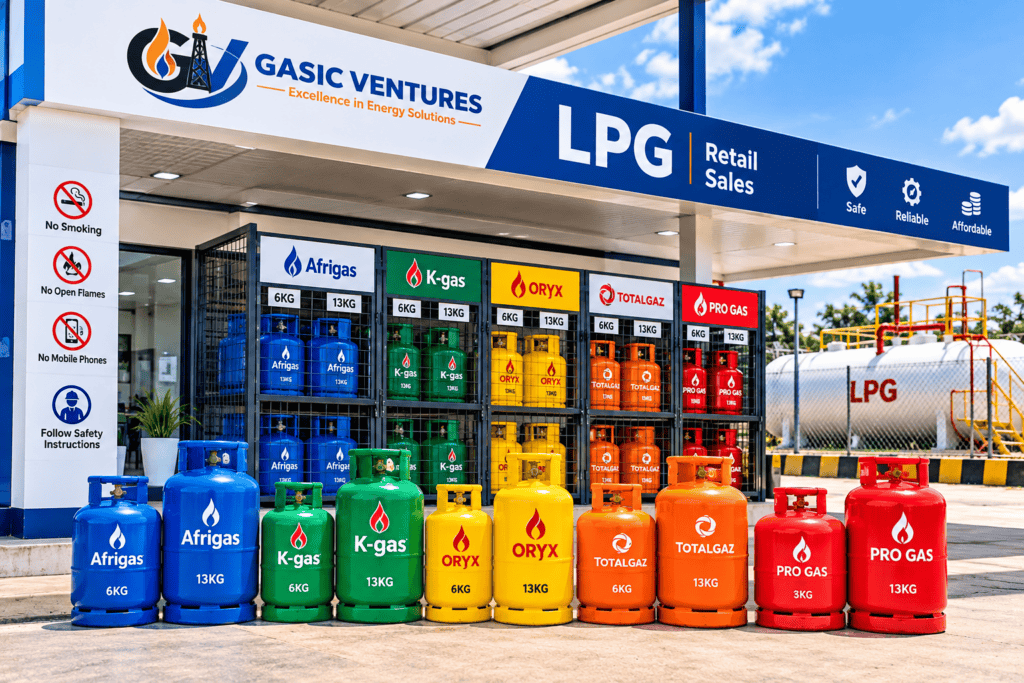
Yes, it may be possible to integrate LPG services into a petroleum retail facility, but this should not be treated as a simple addition of LPG cylinders or equipment.
LPG introduces additional technical, safety, storage and licensing considerations.
If you are planning a petrol station with LPG facilities, assess the LPG requirements during the design stage rather than after completing the petrol station.
This can prevent costly redesigns later.
How Gasic Ventures Can Help
Planning a petroleum facility can involve multiple regulatory and technical requirements.
Gasic Ventures supports businesses and investors seeking guidance on petroleum and gas compliance, licensing and regulatory approval processes.
Our services can include:
- Petroleum licensing consultancy
- Regulatory compliance guidance
- Licence and permit application support
- Documentation review
- Approval process support
- Petroleum facility compliance guidance
- LPG compliance and licensing support
- Project-specific regulatory advisory
If you are planning a new petrol station, LPG facility or petroleum-related project, getting the compliance requirements right at the beginning can save significant time and money.
Planning to Start a Petrol Station?
Talk to Gasic Ventures before you commit significant capital to your project.
We can help you understand the applicable petroleum licensing, compliance and approval requirements for your proposed project.
Gasic Ventures
Petroleum & Gas Compliance | Licensing | Regulatory Consultancy
🌐 gasicventure.co.ke
📧 info@gasicventures.co.ke
📞 0768 000 942
Frequently Asked Questions
How much does it cost to start a petrol station in Kenya?
There is no universal figure. The cost depends on land, location, station size, equipment, construction, professional services, approvals and working capital.
Do I need a licence to operate a petrol station?
Yes. A petroleum retail business must satisfy the applicable requirements and obtain the relevant operating licence before commencing operations.
Can I build a petrol station on any piece of land?
No. The proposed site must satisfy applicable planning, access, environmental, safety and petroleum facility requirements.
Can I add LPG to my petrol station?
Potentially, but LPG introduces additional technical, safety, storage and licensing requirements that should be assessed during the planning and design stage.
How long does petroleum licensing take?
The timeline depends on the application type, completeness of documentation, regulatory assessment and whether additional information or corrective action is required.
Where can I get official petroleum licensing information?
The Energy and Petroleum Regulatory Authority publishes official petroleum licence and permit information and application guidance. Always verify the latest requirements before submitting an application.